
The most comfortable option for most users is the ProtectiveClean 6100, while the ProtectiveClean 4100 is the gentlest budget choice.
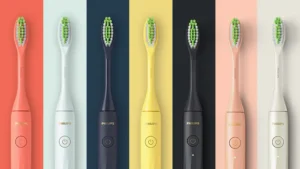
When choosing a Sonicare toothbrush for sensitive teeth, the goal isn’t stronger cleaning — it’s gentler cleaning that still removes plaque effectively.
Many experience discomfort from brushing pressure, stiff bristles, or inflamed gums rather than the sonic motion of an electric toothbrush itself.
A well-chosen model can clean along the gumline with minimal irritation. It cleans effectively while staying comfortable, especially when paired with a soft brush head and pressure sensor.
This guide will
- compare the most comfortable Sonicare electric toothbrush models,
- explain which features actually matter for sensitivity, and
- help select one that keeps your teeth clean, and is pleasant to use.
For a complete comparison of every model, see our Sonicare toothbrush comparison guide.
In A Hurry… ?
So, which is the best toothbrush for sensitive teeth?
Quick Answer:
- Best overall for sensitive teeth: Sonicare ProtectiveClean 6100 — balanced gentle cleaning with pressure feedback


You can read our full Sonicare ProtectiveClean 6100 review for detailed performance testing and feature comparisons.
- Best budget option: Sonicare ProtectiveClean 4100 — simple, soft, and comfortable for daily use
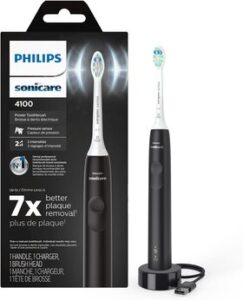
See our in-depth ProtectiveClean 4100 review for a closer look at its cleaning modes and battery life.
For most people with sensitive teeth, the Sonicare ProtectiveClean 6100 toothbrush offers the best balance of gentle cleaning, pressure control, and comfort. More affordable and premium options exist, but this model fits the widest range of users.
People with sensitive teeth should use the lowest intensity setting and a soft gum-care electric toothbrush head, at least for the first 1–2 weeks.
Quick Comparison of Top Models
- Sonicare ProtectiveClean 6100 — best balance of comfort and plaque removal; ideal for recurring sensitivity. (see full ProtectiveClean 6100 review)
- ProtectiveClean 4100 — simplest and most gentle option for daily use, and fits any budget (read in-depth ProtectiveClean 4100 review)
- Philips Sonicare ExpertClean 7500 — helpful if you tend to press too hard and injure gums (here’s a detailed Sonicare 7500 review)
- Sonicare DiamondClean Smart — premium model, automatic intensity adjustment (check out full DiamondClean review)
- Sonicare 4100 + Gum Care brush head — often enough for mild sensitivity
What Actually Causes Tooth Sensitivity When Brushing?
If it hurts while brushing your teeth, you’re not imagining it — tooth sensitivity is extremely common. The cause might be:
- Worn out enamel
- Exposed dentin
- Gum recession, or even
- Enthusiastic brushing
It can leave nerves unprotected, turning a normal everyday routine into a dreaded, painful ritual twice a day. Persistent or severe sensitivity should always be checked by a dentist, as cavities or cracked enamel can mimic brushing discomfort.
Some try to avoid this by brushing less thoroughly or staying away from certain painful/sensitive areas altogether.
Unfortunately, that only worsens the underlying problem, because plaque buildup further increases inflammation and exposes teeth.
This is where the right electric toothbrush can help.
Unlike manual brushing — which depends entirely on hand pressure — a sonic toothbrush from Philips Sonicare does most of the cleaning through high-frequency vibrations.
When paired with a pressure sensor and gentle cleaning mode, this aids effective cleaning, and is also far kinder to sensitive teeth and gums.
What Makes an Electric Toothbrush Good for Sensitive Teeth?
Not every electric toothbrush model is equal. Some are designed for simplicity, others for whitening power. And the best toothbrush for sensitive teeth is specifically designed for a gentler brushing experience.
The difference isn’t just about power. For sensitive teeth and gums, comfort depends less on how fast a brush moves and more on how controlled that movement is.
A well-designed sonic toothbrush from Philips Sonicare like the Sonicare 5100 can actually be more comfortable than manual brushing – but only when certain features are present.
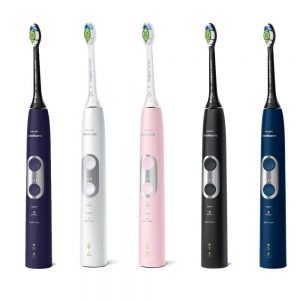
Here’s what truly matters in a toothbrush for sensitive teeth:
1. Pressure Sensor (The Most Important Feature)
People often brush harder than they think. Excess pressure wears down enamel and irritates gum tissue. Over time, this worsens sensitivity. A pressure sensor detects whenever you press too hard. It reduces vibration intensity, and alerts you to ease up.
Toothbrushes without a pressure sensor aren’t ideal for sensitivity.
2. Multiple Intensity Levels
High vibration speed doesn’t equal better cleaning. Sensitive teeth benefit from lower intensity cleaning that still removes plaque effectively.
Adjustable intensity settings allow you to start gently, and gradually increase as your gums adapt. Don’t start at full power.
3. Sensitive or Gum Care Cleaning Modes
A dedicated gentle mode will typically:
- use softer movement patterns
- extend brushing time along the gumline
- reduce abrupt vibration transitions
The result is a cleaning cycle that removes plaque without shocking exposed sensitive areas.
4. Soft Brush Heads Matter More Than Power
The brush head is more important than the handle. Switching to a softer brush head noticeably improves comfort within days.
Soft bristles flex around teeth and massage the gumline instead of scraping at it. Stiff bristles concentrate force onto specific points, which sensitive teeth don’t tolerate well.
5. Sonic Motion vs Scrubbing
With a manual toothbrush, cleaning depends on physical scrubbing. Sonic brushes work differently.
High-frequency micro-movements agitate fluid around teeth and between them. This helps disrupt plaque beyond where the bristles touch. There’s effective cleaning with less mechanical pressure, and that’s why people with sensitive teeth tolerate sonic brushing better.
6. Consistency Is What Actually Reduces Sensitivity
The gentler brushing feels, the healthier teeth become.
Regular, comfortable brushing reduces inflammation and helps gum tissue recover. Over time, this can make teeth less sensitive.
The best toothbrush for sensitive teeth isn’t the weakest one, but the one that’s comfortable enough to use properly and regularly, twice a day.
Quick Comparison: Best Sonicare Models for Sensitive Teeth
Here’s a comparison of the most comfortable soft electric toothbrush models from Philips Sonicare, for people who want effective cleaning without irritation.
| Model | Who It’s Best For | Intensity Levels | Gentle / Gum Mode | Pressure Sensor | Comfort Level | Price Tier | Full Review |
|---|---|---|---|---|---|---|---|
| ProtectiveClean 4100 | Budget & first-time users | 1 | Standard Clean | Yes | Gentle | $ | See full review |
| ProtectiveClean 5100 | Extra control without high cost | 3 | Yes | Yes | Very Gentle | $$ | See full review |
| ProtectiveClean 6100 | Most people with sensitivity | 3 | Yes (dedicated) | Yes | Excellent | $$$ | See full review |
| 9900 Prestige | Maximum comfort & automation | Auto-adjusting | Yes (adaptive) | Yes (real-time) | Exceptional | $$$$$ | See full review |
Let’s make this easy…
Not sure which one fits you?
- Want the safest all-around choice → ProtectiveClean 6100. See our in-depth Sonicare 6100 review.
- Want the cheapest comfortable option → ProtectiveClean 4100. Read our Sonicare ProtectiveClean 4100 review
- Want the brush to guide your technique → 9900 Prestige. Read our Sonicare 9900 Prestige review
Most readers choose the ProtectiveClean 6100 because it balances comfort, features, and price better than any other model.
For a full side-by-side ranking of every model, see our complete Sonicare toothbrush comparison guide.
Best Overall Sonicare for Sensitive Teeth: ProtectiveClean 6100
For users suffering from sensitive teeth or tender gums, the goal is consistent, thorough cleaning without discomfort. That’s exactly where the Sonicare ProtectiveClean 6100 electric toothbrush stands out in the Philips Sonicare range.
It offers enough adjustability to stay comfortable while still cleaning effectively. Many simpler brushes — and even some premium ones — don’t hit this balance as well.
The key advantage is control.
You aren’t forced to adapt to the toothbrush. The Sonicare 6100 model lets you gradually find a setting that feels comfortable – and then keep using it consistently.
And for sensitive teeth, such consistency is more important than raw brushing power.
Why it works particularly well for sensitivity
1. Multiple intensity levels
You can begin with the lowest intensity setting and increase only if comfortable. Many users find they never need higher intensities at all.
2. Pressure sensor protection
If you accidentally press too hard, the brush alerts you — preventing injury that often worsens sensitivity.
3. Gentle cleaning modes
The brushing pattern is smoother and less abrupt than basic single-mode toothbrushes. It’s easier to clean along the gumline without irritation.
4. Balanced performance
It cleans thoroughly but stays comfortable enough to use twice daily. Over time, gums become less irritated.
In everyday use, most people notice the difference within the first week — not because it feels weaker, but because gums stop feeling tender after brushing.
Who this is ideal for?
- People with temperature sensitivity
- Early gum recession
- Anyone switching from manual brushing
- Users who have found electric brushes uncomfortable in the past
Why not just choose the cheapest model?
Entry-level brushes can be gentle, but they don’t adapt to you.
Premium smart brushes adapt automatically, but cost much more.
The Sonicare ProtectiveClean 6100 sits in the middle — offering meaningful comfort and sensitive-care features without unnecessary complexity. It’s the easiest brush to live with long-term.
➡️ In the full review of ProtectiveClean 6100 you’ll find detailed testing and comparisons.
Bottom line
If you want a Sonicare toothbrush that cleans thoroughly yet feels comfortable, this is the safest recommendation for most people.
It’s not the most powerful model, and it isn’t the cheapest — and yet it’s the one most people with sensitive teeth are happiest using.
Best Budget Sonicare for Sensitive Teeth: ProtectiveClean 4100
Not everyone needs all the bells and whistles — especially if you can’t spend a lot. For gentle cleaning at an entry-level price, the Sonicare ProtectiveClean 4100 is an ideal electric toothbrush model.
It’s simpler than premium models, but that’s part of its charm: it’s reliable, comfortable, and easy to use – without overwhelming new users.
Why is the 4100 a good choice for sensitive teeth?
1. Simple and gentle
With a straightforward one-mode cleaning cycle, this brush focuses on comfort rather than features you may never use.
2. Pressure sensor included
Like its higher-end cousins, it has a built-in pressure sensor to help prevent over-brushing — a feature many cheap electric toothbrushes lack.
3. Great introduction to sonic technology
It gives you all the benefits of sonic cleaning — effective plaque removal and fluid dynamics along the gumline — without serious vibration intensity or confusing settings.
4. Soft-start intensity ramp-up
The Sonicare 4100 gradually increases power so you don’t trigger nerve irritation while transitioning from manual brushing. Your mouth adapts over the first 10–14 days.
New users often expect vibration to feel harsh, but this model typically feels milder than manual brushing after two or three sessions.
5. Budget-friendly price
The Sonicare 4100 is often priced well below competitors, making it an excellent choice if you’re on a tight budget.
➡️ This detailed Sonicare ProtectiveClean 4100 review includes more details and current pricing.
Who this is best for?
Folks who are
- new to electric toothbrushes
- worried an electric brush might feel “too strong”
- need gentle brushing (due to gum tenderness or bleeding)
- convert from a manual to electric toothbrush
- on a budget
- want a comfortable, no-nonsense option
Who should skip it?
Users who
- want multiple modes
- need effective whitening or stain removal
- suffer heavy plaque or tartar buildup
What to expect
During the first week, your teeth may feel “tingly” rather than sore — that’s normal nerve adaptation, not damage.
By week two, most users report noticeably less gum irritation than with manual brushing.
👉 For sensitive teeth, comfort matters more than features — which is why this is the safest low-cost entry point into Sonicare.
Why it’s not our top pick:
While the Philips Sonicare 4100 is gentle and effective, it lacks:
- multiple intensity levels
- purpose-built gum or sensitive modes
- some of the comfort refinements of higher-tier models
For these reasons, it’s a great starter choice — but many people trade up later to a model like the ProtectiveClean 6100 once they’ve experienced the benefits.
💎 Best Premium Sonicare for Sensitive Teeth: 9900 Prestige

If comfort is your highest priority and budget is less of a concern, the Sonicare 9900 Prestige delivers a top-tier experience. It has smart features that adapt smoothly to your brushing style.
This model is designed not just to clean — but to respond to your needs.
Think of it as a toothbrush that helps you brush better without having to think about it.
Our detailed Sonicare 9900 Prestige review explains how its pressure guidance system works in daily use.
Why the 9900 Prestige excels for sensitive users
1. Adaptive pressure and intensity
Unlike simpler brushes with fixed settings, the Philips Sonicare 9900 adjusts its behavior based on how you brush.
The handle automatically dials down intensity and actively warns you, training your brushing habits. People who tend to scrub aggressively usually realise how much pressure they were using only after the brush starts correcting them.
2. Multiple intensity levels (true customization)
Some days your teeth tolerate more stimulation than others. Dropping intensity instantly prevents flare-ups during healing periods.
3. Gum-care mode (the real game changer)
This Sonicare gentle mode massages and cleans simultaneously — improving blood flow around the gumline, which helps reduce inflammation-related sensitivity.
4. Advanced comfort engineering
From the brush head design to the sonic pattern itself, this model offers a refined sensation that many users with sensitive teeth find more enjoyable.
5. Real-time guidance and feedback
Some versions include a connected mobile phone app for feedback, and in-hand cues to help develop a more effective brushing routine over time.
6. Premium build and battery life
This is a high-end device in every sense — top-quality materials, standout battery life, and design details that make daily brushing feel effortless.
➡️ Our in-depth Sonicare 9900 Prestige review details more specs, testing notes, and pricing.
Who this is best for:
- Chronic, moderate to severe sensitivity
- After dental procedures or surgery
- People who brush aggressively without realizing it
- Personalized brushing experience
Who may not need it:
- Mild, occasional sensitivity
- First-time users testing for comfort
What to expect
Within 2–3 weeks, users typically notice:
- Less sensitivity when rinsing with cold water
- Reduced gum tenderness
- Less need to avoid certain areas while brushing
👉 While the budget option prevents irritation, the premium option actively helps your mouth recover.
Why this isn’t for everyone:
The Sonicare 9900 is excellent — but it’s expensive.
For many sensitive-teeth users, the extra features are nice to have but not necessary to achieve comfort and oral health. That’s why the ProtectiveClean 6100 remains our best overall choice in most cases.
Quick Recap
| Category | Best Choice |
| Best Overall | ProtectiveClean 6100 |
| Best Budget | ProtectiveClean 4100 |
| Best Premium | 9900 Prestige |
To broaden your toothbrush knowledge and understand what features matter most before choosing your model, see our Ultimate Electric Toothbrush Buying Guide.
When sensitivity should improve
Most people notice:
- Less gum soreness after 7–10 days
- Less reaction to cold water after 2–3 weeks
- More comfortable brushing along the gumline
If symptoms worsen instead of improving, lower the intensity setting or switch to a softer brush head.
Final Verdict: What Should You Actually Choose?
For sensitive teeth, comfort matters more than power.
Most brushing discomfort isn’t caused by sonic vibration. It’s caused by pressure, gum irritation, and bad brushing habits.
That’s why the best choice depends on how much guidance your mouth needs.
If you’re just starting out or your sensitivity is mild:
Start with a gentle, controlled toothbrush that prevents over-brushing. You’ll usually see improvement simply from switching to sonic cleaning and letting your gums heal.
If sensitivity returns back or if certain teeth always hurt:
You need a brush that actively corrects technique, and adapts intensity day-to-day — not just one that cleans plaque.
The simple rule:
- Mild sensitivity → choose comfort
- Chronic sensitivity → choose customization
Once sensitivity improves, many users won’t need to upgrade further — because the real fix is better brushing behavior, not brushing strength.
Still Unsure? Here’s the Easiest Way to Decide
Do you want to compare all Sonicare models side-by-side — including pressure sensors, modes, intensity levels, and who each brush is actually best for? If you’re still comparing options, our full guide to choosing the best Sonicare toothbrush for every need breaks down all models side by side.
And if you’re choosing for a specific situation, these may help:
- Whitening focus → Best Sonicare for Stains & Whitening
- Gum health priority → Best Sonicare for Receding Gums
- General everyday use → Complete Electric Toothbrush Buying Guide
One last reassurance…
Switching to a sonic toothbrush should make your mouth feel calmer after two weeks — not worse.
If a brush feels harsh, it’s almost always the wrong settings… not the wrong technology.
Choose gentle first.
Your teeth will tell you the rest.
While this guide focuses on Sonicare’s gentle cleaning benefits, many electric toothbrush features apply more broadly – for example, pressure sensors and soft brush heads also improve comfort with other brands.
Frequently Asked Questions About Sonicare & Sensitive Teeth
1. Does a Sonicare toothbrush hurt sensitive teeth?
No — in most cases it actually feels gentler than manual brushing.
A soft electric toothbrush from Philips Sonicare cleans using high-frequency vibration and fluid movement rather than scrubbing. The discomfort some users feel during the first few days usually comes from inflamed gums being cleaned properly for the first time.
This typically settles within 1–2 weeks.
2. Which Sonicare mode is best for sensitive teeth?
Use Sensitive or Gum Care mode with the lowest intensity setting.
After 10–14 days of use in a Sonicare gentle mode, many people can comfortably increase intensity if needed — but there is usually no benefit to using higher power once plaque is being removed effectively.
3. Should I stop using a sonic toothbrush if my teeth feel sore?
Not immediately.
Short-term soreness is common when switching from manual brushing because plaque is finally being removed along the gumline.
However, sharp pain on a single tooth may indicate enamel wear or a cavity — in that case use a pressure sensor toothbrush, reduce intensity, and monitor the area.
If discomfort lasts more than two weeks, consult a dentist.
4. Are soft brush heads necessary for sensitive teeth?
Yes — they make a bigger difference than the handle itself.
Look for soft or “gum care” heads compatible with a Sonicare for sensitive gums, rather than whitening or plaque-defense heads. These flex more at the tip and avoid pushing bristles into exposed dentin.
5. Can a Sonicare toothbrush reduce sensitivity over time?
Often, yes.
Many sensitivity problems are caused by gum inflammation and aggressive brushing. Gentle sonic cleaning allows gums to recover. It protects exposed root surfaces. This gradually reduces discomfort over several weeks.
6. Is a more expensive Sonicare better for sensitive teeth?
Not always.
Higher-end models mainly add guidance features (feedback, coaching, auto-adjustments).
They help people who brush too hard or inconsistently — but they don’t clean more aggressively.
For mild sensitivity, a mid-range brush is usually enough.
7. Is a sonic toothbrush better than a rotating toothbrush for sensitive teeth?
Yes. Sonic brushes clean using vibration and fluid movement rather than scrubbing contact. This usually feels gentler on exposed dentin and irritated gums.