
If you’re looking for the best Sonicare toothbrush for whitening, this guide will help you choose wisely – without chasing exaggerated promises.
Stained or dull-looking teeth are common. Coffee, tea, wine, and everyday foods can gradually leave surface discoloration.
So which is the best Sonicare for whitening them again?
Not all “whitening” is the same. There’s a difference between:
- Removing surface stains
- Improving polish and brightness, and
- Chemically bleaching teeth
In this guide, you’ll learn:
- How electric toothbrushes help remove stains
- What actually improves tooth brightness
- Which Sonicare models are best suited for whitening
- The brush heads that matter most, and
- Common whitening mistakes to avoid
For a broader overview of various Sonicare models, see our complete Sonicare comparison guide.
Quick Decision: Best Sonicare for Whitening
- Best Overall Balance: Philips Sonicare 6100
- Best Premium Upgrade: Sonicare ExpertClean 7500
- Best Budget Option: Sonicare ProtectiveClean 4100
All three remove surface stains effectively. The difference lies not in raw whitening ability, but in the customization, guidance, and long-term consistency support they offer.
What Does “Whitening” Really Mean?
Most people assume whitening means bleaching. But electric toothbrushes do not chemically whiten teeth.
Instead, they help by:
- Removing surface stains
- Disrupting plaque buildup
- Polishing enamel, and
- Improving overall brightness
Consistent and effective stain removal often gets rid of surface discoloration from:
- Coffee
- Tea
- Red wine
- Smoking
- Dark foods
Intrinsic (internal) discoloration, however, requires professional or peroxide-based treatments.
Electric toothbrushes can improve cosmetic brightness. However, they do not replace the need for whitening gels or dental procedures.
How Sonicare Technology Supports Stain Removal
Sonicare toothbrushes use high-frequency sonic vibration (up to 62,000 brush movements per minute) to clean teeth efficiently.
This rapid motion:
- Disrupts plaque biofilm
- Loosens surface stains
- Creates fluid movement between teeth
- Cleans along the gumline
Because the motion is consistent and controlled, it helps polish enamel gently without excessive scrubbing.
Pressure control is especially important when whitening – brushing harder does not remove stains faster. Understand more about how vital a Sonicare pressure sensor can be to dental health.
Best Sonicare Toothbrush for Whitening (Top Picks for 2026)
Best Overall Sonicare for Whitening: Sonicare 6100


For most adults, the Philips Sonicare 6100 offers the best balance of whitening support and gum protection.
Why it works well:
- White mode included
- Three intensity settings
- Built-in pressure sensor
- BrushSync head reminders
- Excellent battery life
The White mode extends brushing time slightly and adjusts vibration patterns to focus on stain-prone areas.
Importantly, intensity can be lowered if teeth feel sensitive – which often happens when people pursue whitening aggressively or try too hard for plaque removal.
It offers refinement without overcomplicating the experience.
For most users, this is the practical sweet spot. You’ll find more details about this model’s features and advantages in our Sonicare 6100 review.
Best Premium Sonicare Whitening Option: Sonicare 7500

If you want guided consistency and real-time feedback, the Sonicare ExpertClean 7500 adds:
- Bluetooth connectivity
- App-based coaching
- Coverage tracking
- Multiple brushing modes including White+
The benefit here is not stronger whitening power, but improved brushing consistency.
If someone struggles with uneven coverage – especially along front teeth – the app guidance can help ensure no areas are missed.
But if you brush thoroughly already, whitening results will not differ dramatically from the Sonicare 6100.
In our in-depth Sonicare 7500 review you’ll find other features that set this model apart. And if you’re finding it hard to choose between the Sonicare 6100 vs 7500, our side-by-side comparison may be handy.
Best Budget Sonicare for Whitening: Sonicare 4100
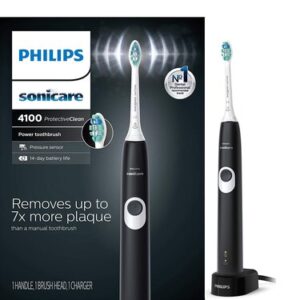
If you’re focused on affordability but still want strong stain removal, the Sonicare ProtectiveClean 4100 performs extremely well.
It includes:
- Pressure sensor
- Two intensity settings
- Reliable sonic cleaning
While like the Sonicare 5100, it does not include a dedicated White mode, consistent use with the right brush head can still significantly improve brightness.
For many adults, technique matters more than additional modes.
If you’re looking for other budget electric toothbrush models, or want to compare the Sonicare 4100 vs 6100, check out our specific and in-depth analysis.
Best Sonicare Brush Heads for Whitening

The brush head you choose plays a major role. For whitening support, consider:
1. W2 Optimal White
Designed specifically to remove surface stains and polish enamel.
2. C2 Optimal Plaque Control
While not labeled “whitening,” effective plaque removal naturally improves brightness.
3. Avoid Overly Worn Brush Heads
Frayed bristles reduce polishing ability and encourage harder brushing. It also is gentler on the teeth for users with receding gums.
Replace brush heads every 3 months – or sooner if bristles show wear.
Whitening Mistakes to Avoid
Many people try to “force” whitening results.
Common mistakes include:
- Brushing too hard
- Increasing intensity unnecessarily
- Using abrasive pastes excessively
- Skipping gumline cleaning
- Not brushing for full two minutes
Whitening is about consistency – not force.
Aggressive brushing may damage enamel and worsen sensitivity without improving results.
Does Sonicare Whiten Teeth Better Than Oral-B?
Both sonic and oscillating toothbrushes remove surface stains effectively.
Sonicare’s elongated brush head and sweeping motion may feel gentler across front teeth.
Oral-B’s round head may feel more concentrated per tooth.
In real-world results, both can improve brightness when used properly.
Whitening differences are usually minimal compared to technique and brush head choice.
For a specific model-to-model comparison, see our contrast of the Sonicare 4100 vs Oral-B Pro 1000 electric toothbrush.
Who Should Choose Which Model?

Choose Sonicare 6100 if:
- You want dedicated White mode
- You prefer adjustable intensity
- You want balanced features and value
Choose Sonicare 7500 if:
- You want guided brushing feedback
- You like app tracking
- You struggle with consistent coverage
Or choose Sonicare 4100 if:
- Budget matters
- You want simple, effective cleaning
- You’ll rely on good technique
Frequently Asked Questions About Whitening with Sonicare
1. Does Sonicare actually whiten teeth?
Sonicare toothbrushes do not chemically bleach teeth. They improve brightness by removing surface stains and plaque buildup.
2. How long does it take to see whitening results with Sonicare?
Many users notice improved brightness within a few weeks of consistent brushing, especially when using a whitening brush head.
3. Is White mode stronger than Clean mode?
White mode typically extends brushing time slightly and adjusts vibration patterns, but it does not dramatically increase cleaning power.
4. Can brushing harder whiten teeth faster?
No. Excessive pressure does not improve whitening and may irritate gums or damage enamel.
5. Which Sonicare brush head is best for whitening?
The W2 Optimal White brush head is specifically designed to remove surface stains and polish enamel.
6. Is Sonicare better than Oral-B for whitening?
Both brands remove surface stains effectively. Differences in whitening results are usually minimal and depend more on technique and consistency.
Final Verdict: Best Sonicare for Whitening
Electric toothbrushes improve tooth brightness by removing stains – not by bleaching enamel.
For most adults, the Philips Sonicare 6100 offers the best balance of:
- Whitening support
- Pressure protection
- Adjustable intensity
- Long-term value
The Sonicare ExpertClean 7500 adds guidance and tracking.
The Sonicare ProtectiveClean 4100 remains a reliable budget performer.
Whitening success ultimately depends on:
- Consistent brushing
- Gentle pressure
- Proper brush head selection
- Replacing heads regularly
Choose the model that fits your routine – and let technique do the work.