This comprehensive guide will help you find the best Sonicare electric toothbrush for receding gums.
Gum recession isn’t unusual. As people age, gums tend to recede. This process can’t be reversed. However, its progress can be slowed by the way you brush. And by your choice of toothbrush for gum health.
If you notice that your gums
- feel more sensitive, or
- appear thinner near the gumline, or
- look a bit lower on your teeth (or maybe your teeth appear ‘longer’ than before)
…then you might have gum recession.
Using a hard or rough toothbrush, or adopting an overly aggressive brushing technique might worsen gum irritation.
Gentler cleaning with an appropriate brush helps support healthy gums while achieving plaque control.
That’s why it matters that you choose the right toothbrush for gum recession. If you’re comparing Sonicare models for overall oral health, see our full Best Sonicare Toothbrush guide.
Now let’s look at:
- What to seek in a Sonicare toothbrush if you’re concerned about receding gums
- Which models offer the best balance of cleaning power and gentleness
- What are the budget and premium options available
Quick Decision: Best Sonicare for Receding Gums
- Best Overall Balance: Philips Sonicare 6100
- Best Premium Experience: Sonicare DiamondClean
- Best Budget Option: Sonicare ProtectiveClean 4100
Scroll down for a detailed breakdown of why each model suits different needs and budgets.
Common Brushing Mistakes To Avoid
If you have significant gum recession or ongoing sensitivity, it’s always wise to consult with your dentist and dental hygienist for personalized advice.
This guide is not a replacement for professional care. It is only designed to help you choose a suitable toothbrush for receding gums.
What Causes Gum Recession?
There are several reasons for a receding gumline.
Aging: Gum recession is inevitable as you grow older. Most people in their 60s and beyond will have it.
Periodontal disease: Gum infections like chronic gingivitis can hasten the recession process.
Aggressive brushing: Injury caused by over-aggressive attempts at cleaning teeth can be harmful to gums.
Genetics: In some cases, gum recession runs in families.
Orthodontic history: Tooth and jaw conditions needing intervention or surgery can result in receding gums as a consequence.
How to Choose the Best Sonicare Toothbrush for Receding Gums
Before you select a specific model as the best toothbrush for receding gums, you should understand what actually matters in this choice.
Not all “powerful” toothbrushes are harsh. In fact, many modern models are gentle electric toothbrushes designed to clean thoroughly without risking excessive pressure or roughness.
Many dental professionals recommend electric toothbrushes with pressure sensors for patients who tend to brush aggressively. Built-in timers and feedback features help reinforce proper technique over time.
Here’s what to look for:
1. A Pressure Sensor (Essential)
This is non-negotiable.
A pressure sensor alerts you if you’re brushing too hard. Some models vibrate differently. Others flash a light. And some reduce brushing intensity automatically.
If you’re concerned about gum recession, pressure control is critical. It prevents worsening of gum damage.
2. Multiple Intensity Levels
Being able to adjust intensity — especially if your gums feel sensitive – offers better control. Cleaning is more comfortable and pleasant. So you’re more likely to brush regularly.
A choice of three intensity settings is ideal.
3. A Dedicated Gum Care or Sensitive Mode
A mode that’s specifically designed to be gentler around the gumline makes brushing comfortable. It’s effective at plaque removal, since you won’t skip brushing due to pain.
4. Soft Brush Heads
Even the best handle won’t help if you’re using a firm brush head.
Look for soft, flexible bristles designed for gum care or sensitivity.
5. Sonic Technology (Gentle Sweeping Motion)
Sonicare toothbrushes use high-frequency side-to-side movements (up to 62,000 brush strokes per minute) to clean by sonic action.
A fluid motion is created that helps remove plaque, even when you apply light pressure.
Best Sonicare Toothbrush for Receding Gums (Overall): Sonicare 6100


For most adults concerned about receding gums, the Sonicare 6100 strikes an excellent balance between advanced features and everyday usability.
Why it stands out:
- Built-in pressure sensor
- Three intensity levels
- Gum Care mode
- BrushSync head replacement reminders
- Strong battery life (around 2–3 weeks per charge)
It provides premium cleaning performance without overwhelming complexity.
Comfort Aids Consistency
Importantly, the Sonicare 6100 allows you to adjust intensity. That flexibility makes it suitable for use with sensitive gums and teeth.
The power of being able to tweak intensity settings is to tailor brushing to match your teeth and gum sensitivity.
When there’s less discomfort, you can afford to set intensity higher. On other days when your gums feel sore, you can use a gentler setting for cleaning that’s comfortable, yet effective.
Balanced Daily Use
Brushing consistently on a daily routine is ideal for cleaning and plaque removal. It guards your teeth and gums against damage.
By removing all discomfort, the Philips Sonicare 6100 faciliates balanced daily use.
You’ll effortlessly follow the 2-2-2 rule: brush twice a day (morning and night), do it for two minutes each time, and replace brush heads every 2 to 3 months.
An Excellent Long-Term Choice
The Sonicare 6100 ensures regular brushing, prevents gum injury, removes plaque, and maintains oral hygiene – all at an affordable cost, without any less useful features of premium models.
This makes it a great value for money in the long run.
See our complete Sonicare 6100 review for more details. If you’d like a deeper breakdown of how it compares to higher-end models, see our detailed 6100 vs DiamondClean breakdown.
For most users, the Sonicare 6100 model offers adequate customization without veering into luxury pricing.
Premium Option for Sensitive Gums: Sonicare DiamondClean

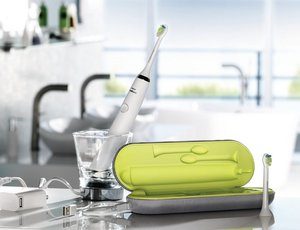
If you prefer a slim, elegant, refined design with additional brushing modes, the DiamondClean series is a good premium alternative.
Compared with the Sonicare 6100, the DiamondClean model typically offers:
- Five brushing modes
- Three intensity levels
- Pressure sensor
- Sleeker handle design
- Premium charging options (including a glass charging cup and USB travel case)
Cleaning power is not stronger than the 6100. Both models use similar sonic technology.
The difference lies in refinement and customization.
Sensitive mode suits users with particularly delicate gums. But many users find lowering intensity on the Sonicare 6100 achieves a similar feel.
If you value design aesthetics, extra flexibility, and a more premium experience, then a Philips Sonicare DiamondClean toothbrush may be worth the added cost. For more detail, look at our full Sonicare DiamondClean review.
Best Budget Sonicare for Receding Gums: Sonicare 4100
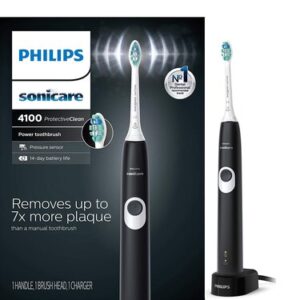
If you are on a limited budget but are concerned about gum recession, the Sonicare ProtectiveClean 4100 is a fair trade-off.
It includes:
- Pressure sensor
- Two intensity settings
- Solid plaque removal performance
- Simpler interface
While it lacks multiple specialized modes like Gum Care, it still provides pressure protection. That is anyway the most important feature to protect gums against injury.
You’ll find more in our in-depth Sonicare 4100 review. To see how the 4100 compares with higher-tier models, check our Sonicare 4100 vs 6100 guide.
For many adults, the Sonicare ProtectiveClean 4100 provides a safe, effective entry-level choice.
Can Electric Toothbrushes Affect Gum Recession?
This is a common concern.
Electric toothbrushes do not inherently cause gum recession.
However:
- Brushing too hard (no pressure sensor)
- Using firm, stiff bristles (wrong brush head)
- Scrubbing aggressively (poor technique)
- Ignoring gum inflammation (bad choice)
…may contribute to gum irritation and injury over time.
In fact, many dentists recommend electric toothbrushes precisely because built-in timers and pressure sensors can help reduce damage.
The key is technique – not just technology.
Premium models with real-time Bluetooth app-based feedback can even train you to avoid harmful brushing habits.
Brush Heads Matter More Than You Think
Even with the right handle, the brush head you select has an impact.
If gum recession is a concern, look for:
- Soft, flexible bristles
- Gum-focused brush heads
- Brush heads suited to sensitive teeth
Replace brush heads approximately every three months – or sooner if they show wear and tear.
Worn bristles are less effective. It may even require more pressure to clean, which leads to injury.
Proper Brushing Technique to Protect Against Receding Gums

Here are a few practical tips to enhance your brushing experienc:
- Let the brush do the work — don’t scrub or press down
- Hold your toothbrush at a 45-degree angle to the gumline
- Apply only light pressure, gently
- Be guided by the inbuilt two-minute timer
- Take extra care along the gum margin
If you notice bleeding, persistent sensitivity, or visible worsening recession, consult your dental professional right away.
Common Brushing Mistakes That Could Worsen Gum Recession
Gum recession can grow worse if you
- Brush too hard
- Use too firm/hard manual toothbrushes
- Skip flossing
- Ignore plaque build-up near the gumline
- Fail to replace worn out or fraying brush heads
If you’ve noticed gum recession or sensitivity, choosing a gentle but effective toothbrush matters. Consider a switch to a model equipped with a pressure sensor.
Best Sonicare Models for Receding Gums Compared
- Best Overall Balance: Sonicare 6100
- Best Premium Experience: Sonicare DiamondClean
- Best Budget Option: Sonicare ProtectiveClean 4100
All three include pressure sensors, which is the most important feature for gum protection.
Another choice is the Sonicare 5100.
The ideal choice depends on your budget and need for customization, rather than on any differences in cleaning power.
For a broader look at all top Sonicare models beyond gum concerns, see our Best Sonicare Toothbrush guide.
Final Verdict
If you’re concerned about receding gums, don’t brush less. Brush more consistently but gently, using the best Sonicare for sensitive gums.
Modern Sonicare electric toothbrush models are designed to provide strong plaque removal without excessive pressure.
For most users, a Philips Sonicare 6100 offers the best combination of:
- Pressure protection
- Adjustable intensity
- Gum-focused mode
- Strong battery life
- Excellent value within the premium tier
Sonicare DiamondClean adds refinement and design elegance along with additional cleaning modes, which may appeal more to some users.
The Sonicare ProtectiveClean 4100 offers strong protection without many other frills, and at a lower price point.
Ultimately, protecting your gums is less about raw cleaning power. It’s more about technique, pressure control, and brushing consistently.
Choose the toothbrush model that fits your budget and daily routine. Then let technology support healthy brushing habits and keep your gums safe.
Frequently Asked Questions
1. Is Sonicare good for receding gums?
Yes, a Sonicare electric toothbrush can be a good choice for receding gums – particularly models with a pressure sensor and adjustable intensity levels.
The key advantage is pressure control. Many people brush too hard without even realizing it. A built-in pressure sensor helps prevent excessive force, which may reduce further gum irritation when used properly.
Choosing a soft brush head and using light pressure are equally important.
2. Can electric toothbrushes worsen gum recession?
Electric toothbrushes do not cause gum recession by themselves. However, brushing too aggressively – whether with a manual or electric brush – may contribute to gum irritation over time.
Models without pressure sensors don’t prevent users from applying too much force. That’s why toothbrushes with pressure feedback are often recommended for people concerned about gum health.
Technique matters more than the type of toothbrush alone.
3. What brushing mode is best for sensitive gums?
A “Sensitive” or “Gum Care” mode is generally the most comfortable option if your gums feel tender or irritated.
These modes typically use slightly reduced intensity or modified vibration patterns designed to be gentler around the gumline while still removing plaque effectively.
If your toothbrush does not have a dedicated sensitive mode, lowering the intensity setting can achieve a similar effect.
4. Should I use low intensity if I have gum recession?
Using a lower intensity setting can be helpful if your gums feel sensitive.
However, effective plaque removal is still important for gum health. The goal is not to brush weakly – but to brush gently and consistently.
If your toothbrush offers multiple intensity levels, starting on a lower setting and adjusting as needed is a reasonable approach.
5. How often should I replace my brush head?
Most manufacturers recommend replacing your brush head every three months.
If the bristles appear frayed or splayed earlier than that, replace it sooner. Worn bristles are less effective at cleaning and may require more pressure to achieve the same result.
Regular replacement helps maintain both cleaning efficiency and gum comfort.
6. Is manual or electric better for gum recession?
Both manual and electric toothbrushes can be safe when used correctly.
However, electric toothbrushes with pressure sensors and timers may offer advantages for people who tend to brush too hard or inconsistently.
The most important factors are technique, gentle pressure, and maintaining good overall oral hygiene habits.